Candy Supplier Singapore: Premium European Candy for Southeast Asia's Hub
Singapore's confectionery market punches well above its population weight. With GDP per capita exceeding $65,000, a sophisticated retail landscape, and a consumer base that indexes heavily toward premium imported products, Singapore represents one of the most attractive entry points for European candy in the Asia-Pacific region. The city-state also functions as a strategic redistribution hub for Malaysia, Indonesia, Thailand, and the wider ASEAN market — making a Singapore supply relationship a gateway to over 680 million consumers across Southeast Asia.
The Singapore Confectionery Landscape
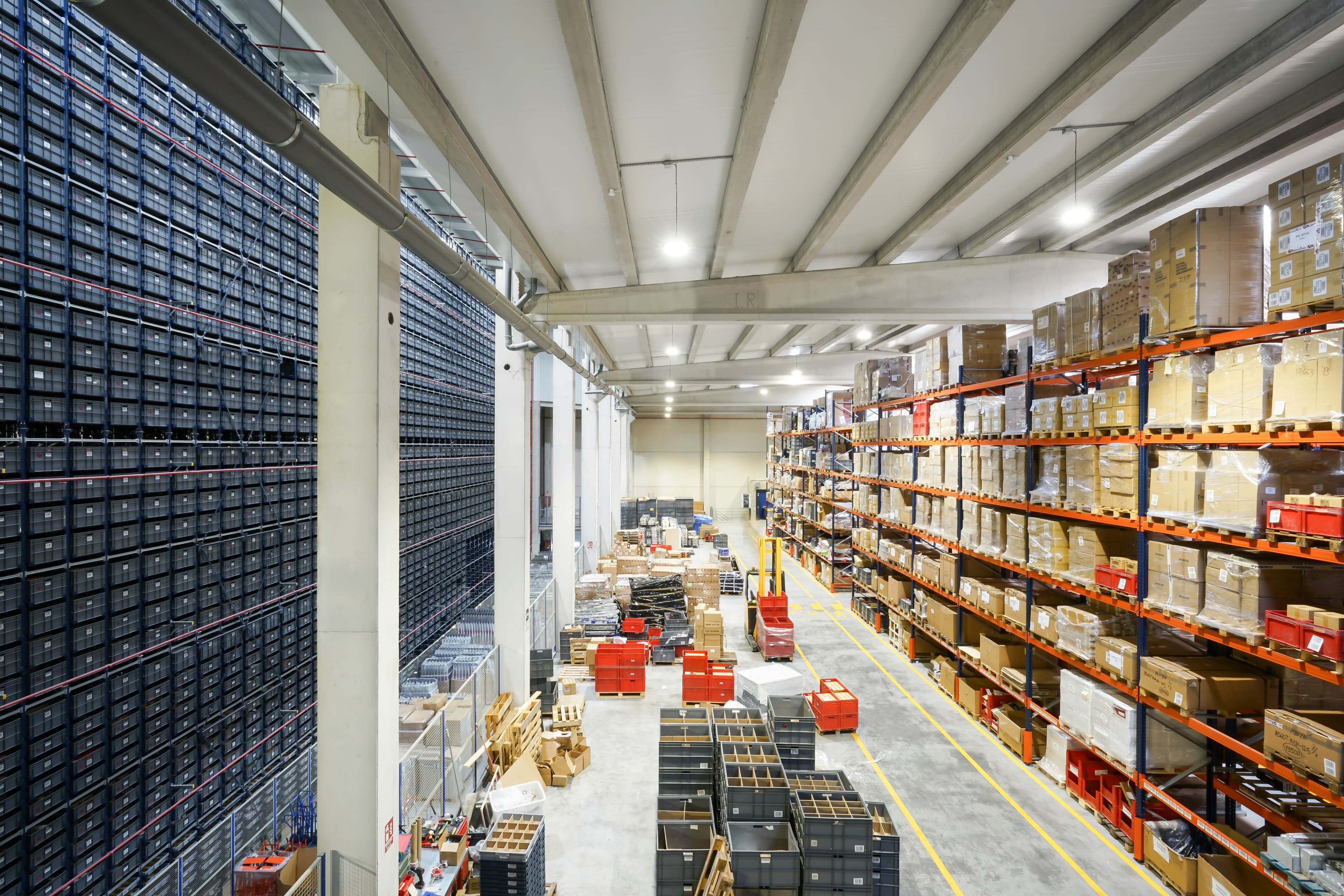
Singapore's modern trade confectionery sector is dominated by well-established retail chains: Cold Storage (premium positioning, strong imported product range), FairPrice (the largest grocery chain by store count, with both mainstream and premium formats), Sheng Siong (value-focused but increasingly premiumising its confectionery range), and Don Don Donki (Japanese-inspired format with strong impulse confectionery performance). Premium convenience channels including 7-Eleven, Cheers, and petrol forecourt shops represent an additional high-frequency impulse channel. The specialty retail segment — premium gift shops, tourist retail, and dedicated candy stores — continues to grow, particularly in high-traffic locations like Marina Bay Sands, Jewel Changi Airport, and Orchard Road.
Why Nordic and European Candy Resonates in Singapore
Singaporean consumers have a well-established preference for imported premium products, and European provenance carries strong positive associations with quality, food safety, and sophistication. Nordic products specifically benefit from a halo effect driven by Scandinavian design, sustainability credentials, and a perception of natural, high-quality production. Swedish candy — with its distinctive sour and jelly formats, vibrant colours, and unique textures — occupies a differentiated position relative to the Japanese, Korean, and American candy that currently dominates Singapore's imported confectionery shelves. This differentiation is commercially valuable: it creates a category that does not directly compete with established imports but instead offers something genuinely novel.

SFA Compliance and Market Entry Requirements
The Singapore Food Agency (SFA) regulates all food imports, and confectionery products must meet specific requirements before market entry. Key compliance areas include product registration through the SFA's online system, ingredient and labelling compliance with Singapore's Food Regulations (covering allergen declarations, nutritional information, and country of origin), and import permits obtained by the licensed local importer for each shipment. Singapore's regulatory framework is rigorous but transparent and well-documented — a significant advantage over more opaque regulatory environments in the region. English is the primary language of commerce and regulation, which simplifies the compliance process for European exporters. Candora provides complete product documentation packages aligned with SFA requirements, enabling our Singapore-based partners to process import permits efficiently.
Singapore as a Regional Distribution Hub
Singapore's port infrastructure, free trade agreements, and geographic position make it the natural redistribution hub for Southeast Asia. Products imported into Singapore can be re-exported to Malaysia (connected by causeway with minimal trade friction), Indonesia (the region's largest market by population with 280 million consumers), Thailand (growing modern trade sector with increasing appetite for premium imports), Vietnam (one of Asia's fastest-growing retail markets), and the Philippines. For brands entering Southeast Asia, establishing a Singapore-based distribution partner provides a single import point with onward access to the entire ASEAN market. Candora supports this hub-and-spoke model by providing the product range, volume, and documentation needed for multi-market distribution.
Growing Demand for Swedish Candy in Singapore
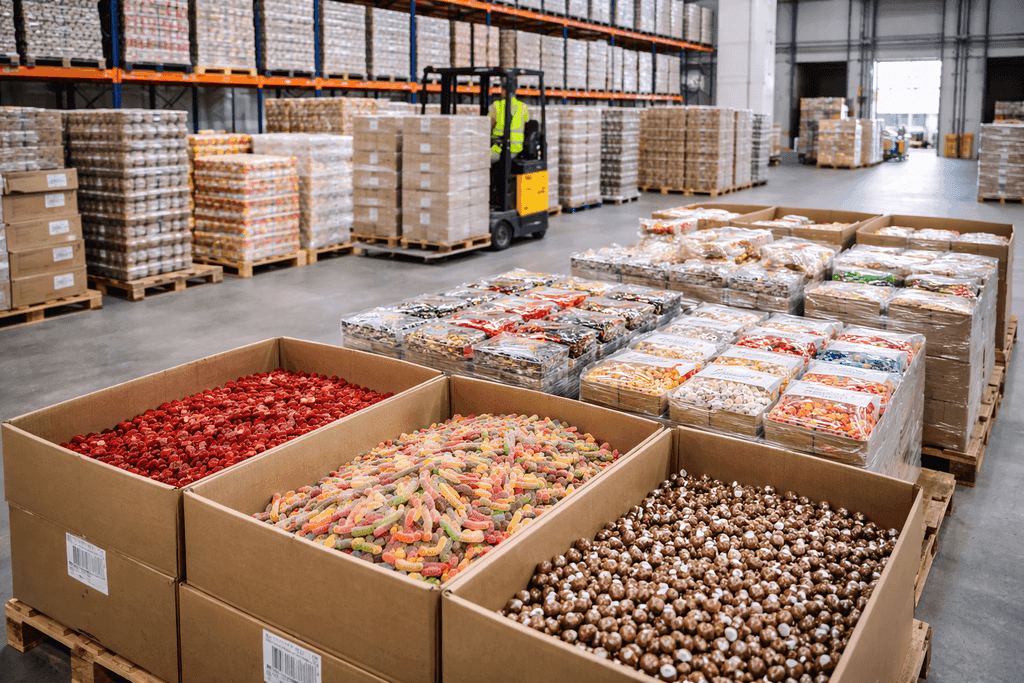
Swedish candy has gained meaningful traction in Singapore over the past two years, driven by social media exposure (particularly TikTok and Instagram content showcasing Swedish pick & mix culture), the arrival of Nordic-themed retail concepts, and word-of-mouth from Singaporean travellers returning from Scandinavia. The Swedish lösgodis (pick & mix) format is particularly well-suited to Singapore's retail environment — it offers an experiential shopping format that drives dwell time and social media sharing, aligns with the premium positioning that Singaporean consumers value, and creates a distinctive in-store destination that competitors cannot easily replicate. Early movers in establishing Swedish candy distribution in Singapore are positioning themselves ahead of what our market data suggests will be a significant growth wave.
FAQ
Frequently asked questions
Yes. We provide complete product documentation aligned with Singapore Food Agency requirements, including ingredient specifications, allergen declarations, nutritional data, and country of origin certificates. Our Singapore-based partners use this documentation to process import permits.
Yes. We structure supply programmes for both direct Singapore retail and for hub-and-spoke distribution across Southeast Asia. Container volumes can include products formatted for multiple markets within a single shipment.
Most of our products carry a 12-month shelf life. Our European factories produce confectionery that maintains quality in tropical conditions, and we advise on storage requirements for the Singapore climate. Temperature-controlled logistics are recommended for chocolate-coated products.
Yes. A significant portion of our range is produced in Halal-certified European factories, making it suitable for both Singapore's diverse consumer base and re-export to Malaysia and Indonesia where Halal certification is essential.
Ready to get started?
Contact our team to discuss volumes, pricing, and supply structures for your market.
Related
Explore more
Regional
Candy Supplier Southeast Asia: How European Confectionery Is Winning in Modern Trade
Regional
European Candy Supplier
Halal & Specialty
Halal Candy Wholesale: Sourcing Guide for Middle East and Southeast Asian Markets
Swedish Candy
Swedish Candy Wholesale: The Complete Guide for Retailers and Distributors