Confectionery Private Label: The Complete Guide for Retail Buyers
Confectionery private label is one of the highest-impact margin levers available to retail category managers and commercial directors. The global market was valued at $15.2 billion in 2023 and is projected to grow at 6.8% CAGR through 2030, with unit sales growing 7.2% year-on-year in 2024. For buyers looking to build or expand a private label confectionery programme, this guide covers the key decisions, economics, and operational requirements.
Why Private Label Confectionery Delivers Superior Returns
The core case is straightforward: margins are significantly better than branded equivalents, with industry benchmarks putting private label confectionery gross margins at 30 to 40 percentage points above branded product at retail. Private label creates product exclusivity — a range that cannot be purchased at a competitor — supporting price positioning, reducing direct price comparison, and contributing to store differentiation. Every private label purchase builds equity in the retailer's own brand rather than a supplier's brand, becoming a genuine brand asset over time.
The Key Categories for Private Label
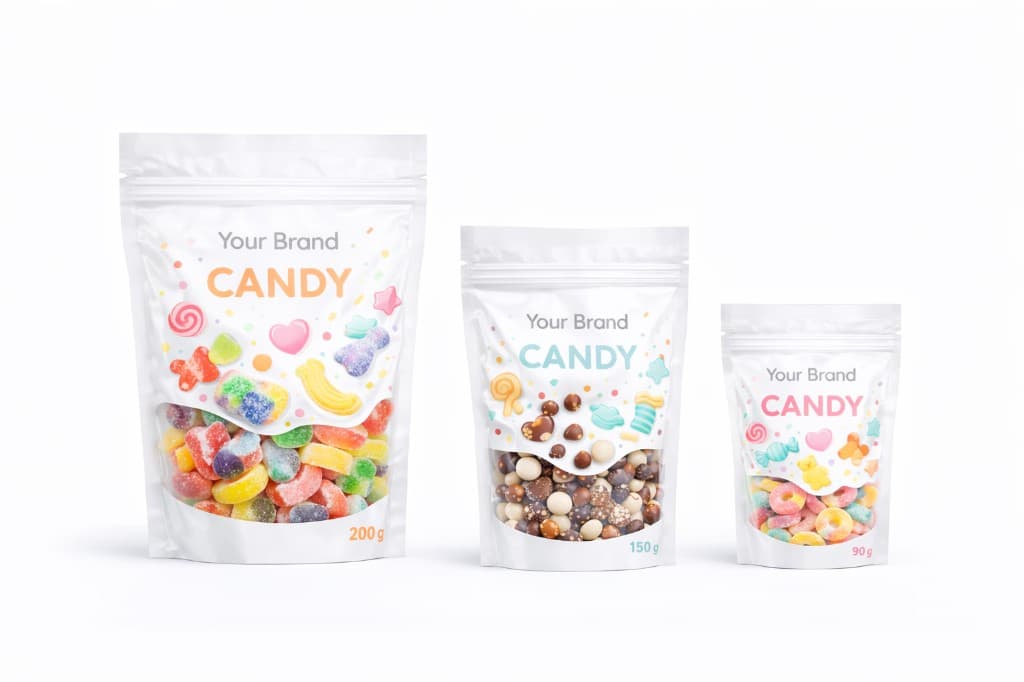
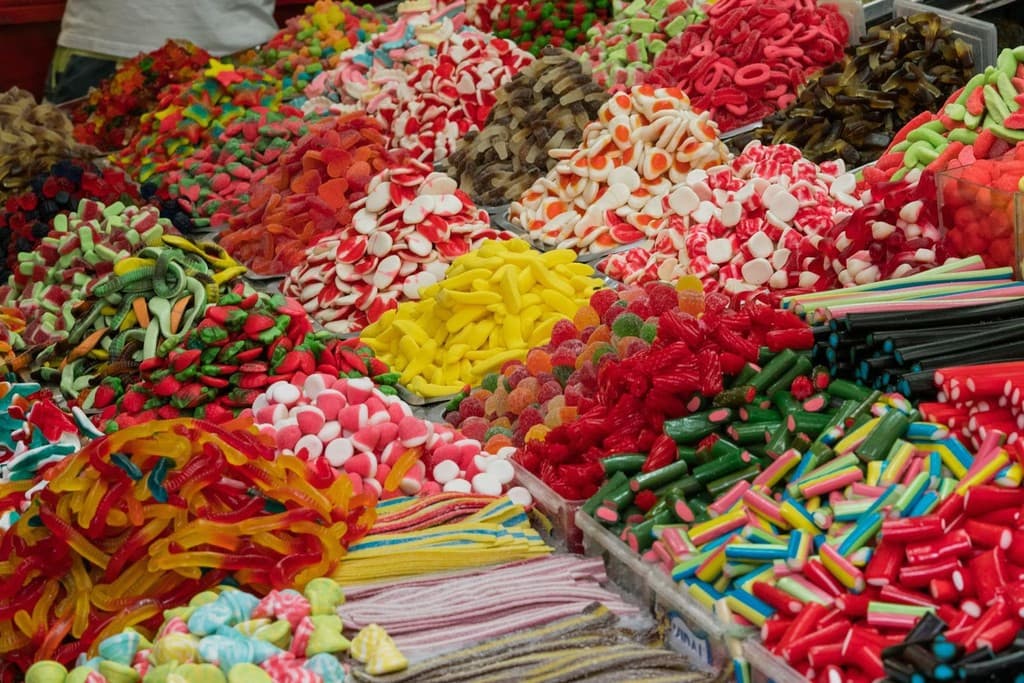
Jelly and gummy formats are one of the most commercially successful categories — the broad format range (bears, worms, rings, cola bottles, foam shapes) lends itself well to own-brand packaging. Sour candy private label is a growing opportunity driven by the rapid growth of the sour category globally, performing well in convenience and quick commerce contexts. Pre-packed pick & mix bags under a retailer's own brand are one of the most effective extensions of the pick & mix format, delivering the experience in a format that works across all store locations and online channels.
How to Structure a Programme
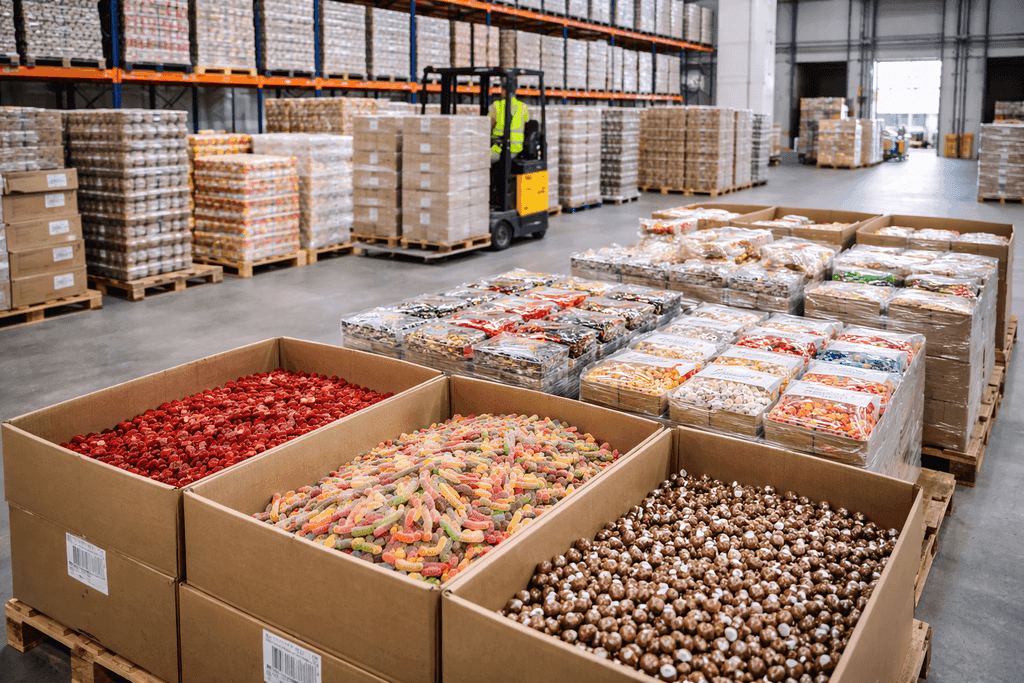
Most serious programmes require minimum annual volumes of 15 tonnes or more to justify custom production runs. Start with the highest-velocity formats in your current assortment — typically two to four core formats like a jelly assortment, a sour belt, a foam shape, and a mixed bag. Private label packaging should reflect your retail brand identity while meeting all regulatory requirements. Typical lead times from confirmed order to delivery run 8 to 14 weeks depending on factory location and shipping destination.
Choosing a Supplier
The most important criterion is factory access — a supplier with direct factory relationships delivers lower prices, greater format flexibility, and more reliable quality control. Look for a supplier who can demonstrate direct factory relationships for the formats you want, experience managing private label production and packaging, quality certifications relevant to your market (BRCGS, IFS, Halal), transparent lead times and production schedules, and references from existing private label customers.
FAQ
Frequently asked questions
We support private label production across gummy/jelly, sour, chocolate, foam, pick-and-mix, and novelty confectionery. Both individual products and curated assortments are available.
Pilot runs start from 500-1,000 units for market testing. Standard production is structured around pallet or container quantities for optimal unit economics. MOQs vary by product and packaging format.
Typical timeline from initial briefing to first delivery is 8-14 weeks, covering product selection, packaging design, sample approval, production, and shipping.
Ready to get started?
Contact our team to discuss volumes, pricing, and supply structures for your market.