Private Label Swedish Candy: How Retailers Are Winning on Margin
Private label Swedish candy is one of the most underutilised margin opportunities in confectionery retail today. While branded candy competes on shelf with fixed margins and limited differentiation, private label jelly and sour formats allow retailers to build exclusive products, control pricing, and capture significantly higher gross margins — often 30 to 40 percent above branded equivalents.
What Is Private Label Swedish Candy?
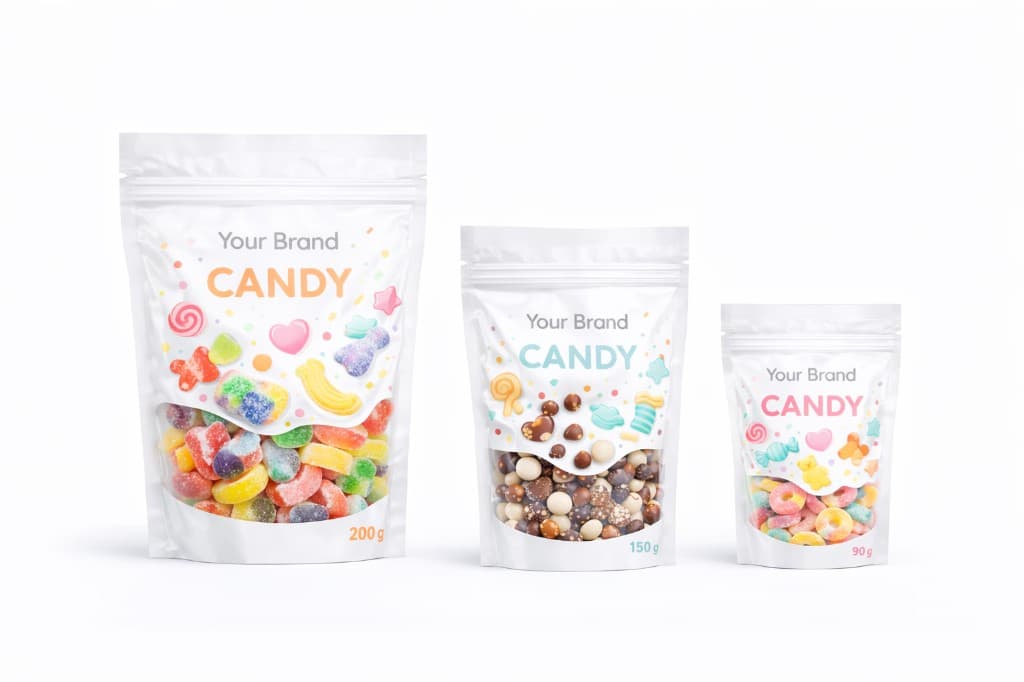
Private label Swedish candy refers to jelly and sour confectionery manufactured to a retailer's or distributor's own specification, packaged under their own brand or store label. The product itself — the formats, flavours, and quality — is the same as or equivalent to branded equivalents, but the commercial structure is fundamentally different. Rather than paying a brand premium to a manufacturer, the retailer owns the product. They set the price, control the margin, and build equity in their own label rather than someone else's.
Why the Margin Case Is Compelling
In confectionery, private label unit margins consistently outperform branded product. Industry data puts private label confectionery margins at 30–40% above branded equivalents at retail. For a category manager running a jelly and sour fixture, shifting even a portion of the range to private label can have a meaningful impact on category profitability. The global private label confectionery market was valued at $15.2 billion in 2023 and is growing at 6.8% CAGR through 2030. Unit sales of private label candy grew 7.2% year-on-year in 2024. Retailers who move early in building their own confectionery label are positioning themselves ahead of a structural market shift.
What Private Label Swedish Candy Looks Like in Practice
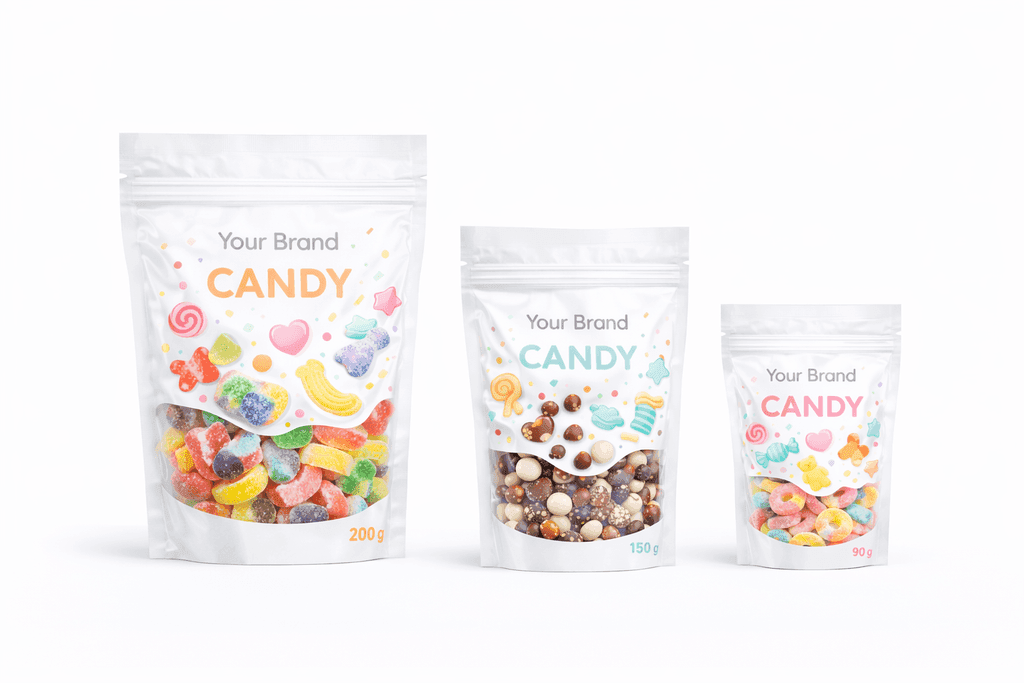
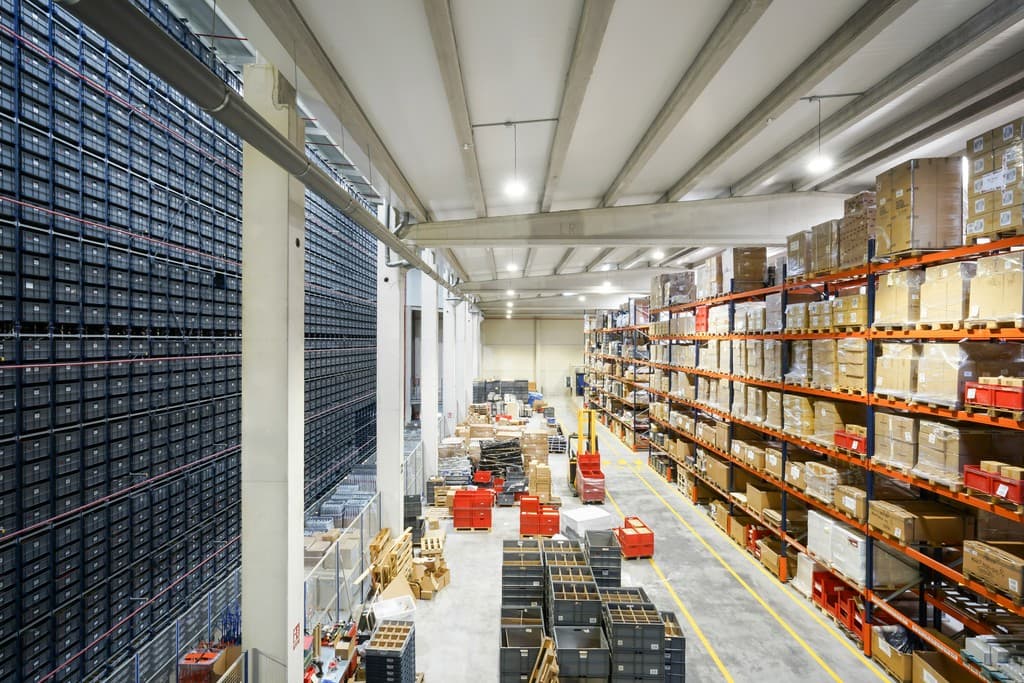
A private label programme typically begins with format selection — the most popular formats include sour belts, jelly bears, sour worms, foam shapes, and mixed assortments. Packaging can include stand-up pouches, flat bags, flow packs, pick & mix bulk bins, or display boxes carrying the retailer's own branding. At Candora Trading, our private label programmes are designed for buyers with sufficient annual volume to justify custom production runs — we work with buyers purchasing 15 tonnes or more annually, structuring programmes around container shipments.
Which Retail Formats Benefit Most
Grocery chains with established own-label ranges are natural candidates — the category sits well alongside other impulse own-label products and delivers strong margin contribution relative to shelf space. In convenience formats, impulse confectionery is a high-frequency, high-margin category where private label sour and jelly formats placed at till points consistently outperform branded alternatives. Discount retailers have built significant private label confectionery programmes where Swedish formats deliver an appealing product at a price point branded candy cannot match. An often-overlooked channel is hospitality — hotels sourcing private label confectionery for minibar programmes, welcome packs, and guest gifting benefit from both the margin advantage and brand exclusivity.

How to Start a Private Label Programme
The process with Candora Trading is straightforward: share your volume requirements and target markets, review our format catalogue and select relevant SKUs, agree on packaging specification and branding requirements, receive pre-production samples for approval, then confirm production run and shipping schedule. We handle the factory relationship, quality control, and logistics. You receive finished, branded product ready for your distribution network.
FAQ
Frequently asked questions
MOQs vary by product and packaging format. Pilot runs can start from as low as 500-1000 units for initial market testing. Standard production runs are typically built around pallet or container quantities for optimal unit economics.
From initial briefing to first delivery, typical timelines are 8-14 weeks. This includes product selection, packaging design, sample approval, production, and shipping. Rush programs are possible for simpler formats.
Yes. Several of our factory partners hold Halal certification, and we offer a growing range of vegan-friendly formulations using plant-based gelling agents. Specific certifications and product options are available on request.
Ready to get started?
Contact our team to discuss volumes, pricing, and supply structures for your market.