Cinema Concession Candy Wholesale: Complete Sourcing & Profitability Guide
Cinema candy represents the single largest revenue stream in multiplex concession stands—accounting for 35-45% of total concession revenue ($2-3B globally). For cinema operators, purchasing managers, and concession vendors, candy sourcing requires deep understanding of impulse purchasing behavior, margin optimization, and supplier reliability. Cinema-goers spend an average €6-12 per visit on concessions, with candy typically €3-6 of that spend (50% attachment rate). This guide covers cinema-specific candy sourcing strategy, assortment optimization, wholesale negotiation, and profitability modeling.
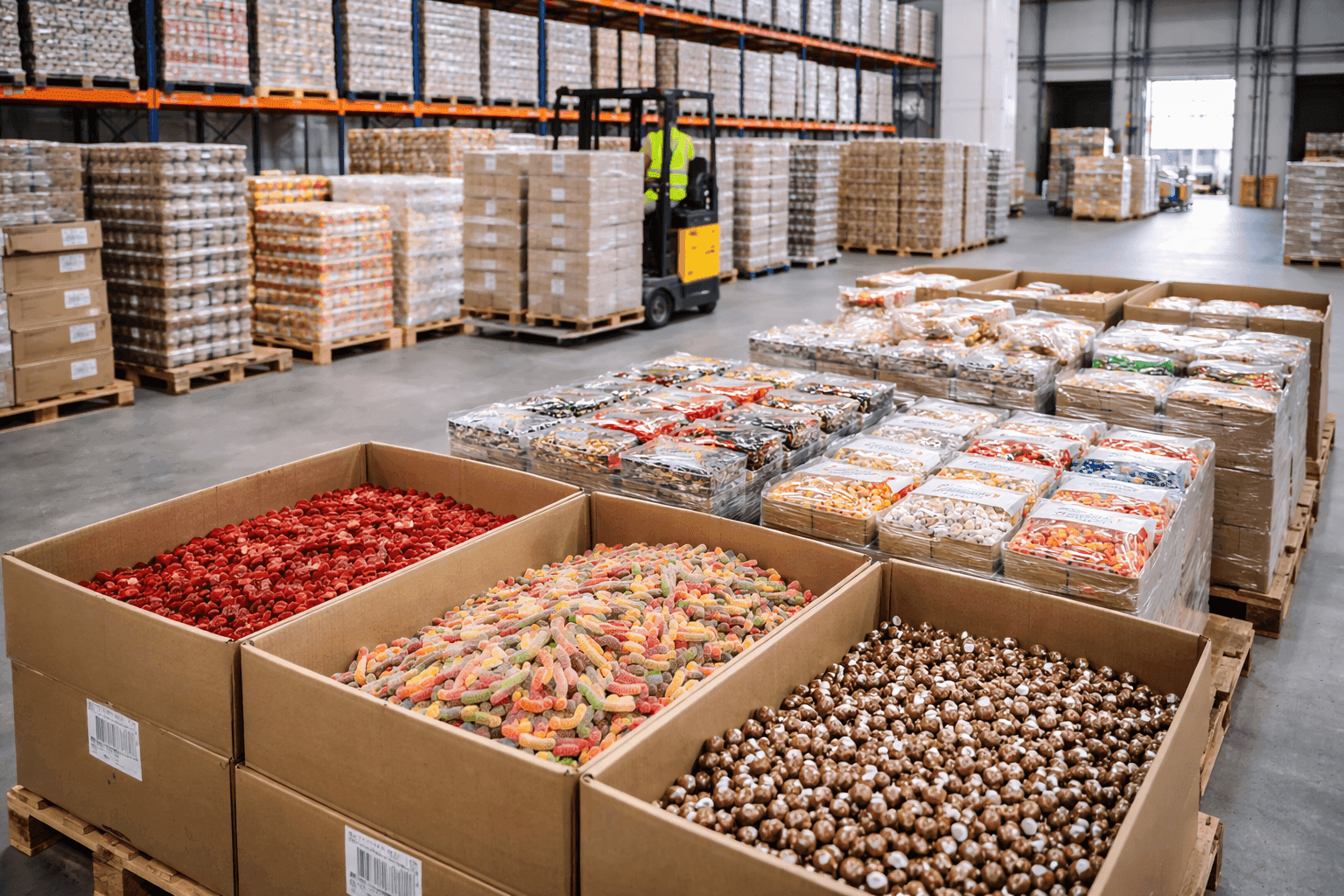
Cinema Candy Market: Size, Dynamics & Margin Opportunity
Global cinema candy market: €1. 8-2.
5B annually, growing 2-4% CAGR. Breakdown: North America 45% (€810M-1.
125B), Europe 30% (€540M-750M), APAC 25% (€450M-625M). Revenue per cinema: Single-screen €150-250k/year candy revenue.
Multiplex (8-10 screens): €400-600k/year. Top cinema chains (Cinemark, AMC, Odeon, Vu• each generate €50-200M annual candy revenue across networks.
Margin dynamics: Cinema candy 68-75% gross margin vs retail 35-45%. Operating margin (after labor, shrinkage, storage): 40-50%.
This is why cinema chains aggressively protect candy revenue—it's the margin engine subsidizing ticket pricing. Top-performing candy categories in cinemas: Chocolate bars (Snickers, Twix, Milky Wa• 35% of volume, 30% of revenue.
Gummy bears & sour candy 25% of volume, 25% of revenue. Hard candies & licorice 15% volume, 20% revenue (higher margin).
Specialty/novelty 15% volume, 20% revenue (premium-positioned, highest margin).
Top Cinema Candy SKUs & Assortment Strategy
Successful cinema assortments balance volume drivers with margin maximizers. Core performer tier (60% of assortment): Snickers (highest velocity), Twix, Milky Way, Bounty, Mars (universally recognized, high impulse).
Cost €0. 50-0.
70/unit, retail €3. 00-3.
50, margin 71%. Volume: 40-50 units/week per theater.
Premium/specialty tier (25% assortment): Luxury chocolate (Ferrero, Lindt formats), artisanal gummy collections, sour candies (Sour Patch Kids, WarheadsWAREHOUSES). Cost €0.
60-0. 90/unit, retail €3.
50-5. 00, margin 75%.
Volume: 15-25 units/week. Seasonal/limited edition (15% assortment): Easter/Christmas themed items, seasonal flavors (summer tropical, fall spiced), limited-edition collaborations.
Cost €0. 65-0.
95/unit, retail €3. 50-4.
50, margin 72%. Volume: 5-15 units/week (highly seasonal).
Assortment tactic: Maintain strict 30-50 SKU core (don't exceed—confuses customers, slows checkout). Rotate seasonal SKUs in/out quarterly.
Test 2-3 new SKUs monthly based on social trends + supplier recommendations.
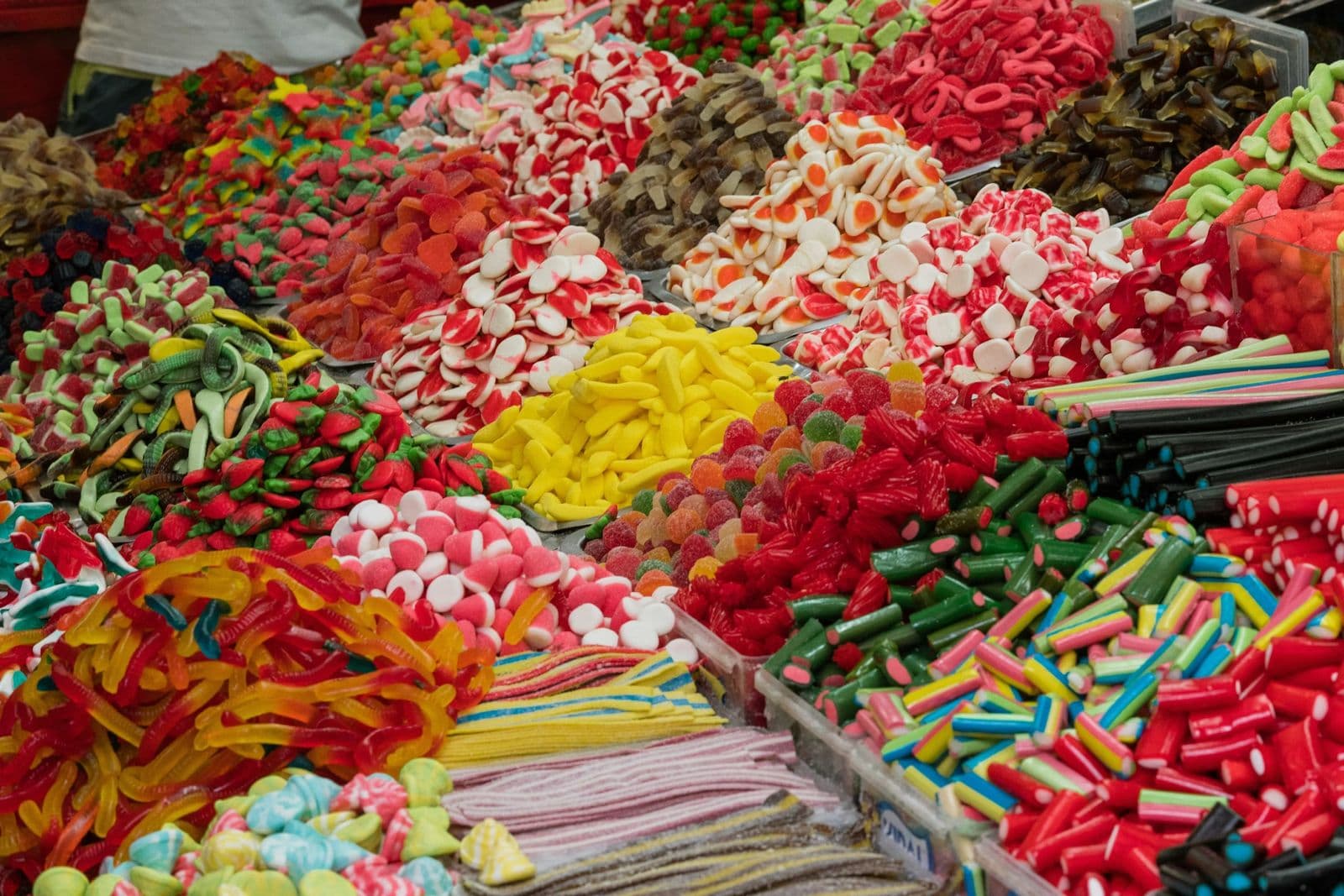
Cinema Supplier Relationships & Sourcing Channels
Three primary sourcing models for cinema chains: • Large foodservice distributors (Sysco, Shamrock, PFG, Reinhart—USA): Pros: Established relationships with chains, reliable delivery 2-4 weeks, comprehensive selection, professional account management. Cons: 20-25% premium over direct, limited customization.
Best for: Multi-theater circuits wanting simplified procurement. • Dedicated candy wholesalers (e.
g. , AllCityCandy, CandyDirect, BBS Wholesale): Pros: Better pricing (10-15% below big distributors), candy specialization, flexibility.
Cons: Smaller selection, longer lead times, less established logistics. Best for: Chains 10-50 theaters, willing to manage multiple supplier relationships.
- Direct supplier + distributor hybrid: Major chains (Cinemark, AMC) negotiate directly with manufacturers (Mars, Ferrero, Mondele• for core volume, use distributors for secondary fill-in. Advantages: €0.
45-0. 55/unit blended cost (vs €0.
70+ retail channel). Requires: Scale (100+ theaters), dedicated procurement team, professional contracts.
Strategic recommendation for mid-size chains (20-50 theaters): Negotiate primary contract with large distributor for 70% volume (core SKUs, reliability), source 30% directly from wholesalers or manufacturers for margin capture + novelty items.
Contract Negotiation & Pricing for Cinema Chains
Cinema candy contracts differ significantly from one-off retail purchases: • Contract structure: Typical 12-24 months, monthly volume minimums (e. g.
, €3,000-5,000/month per theater). Multi-theater price tiers: 1-5 theaters €0.
75/unit blended, 6-20 theaters €0. 68/unit, 20+ theaters €0.
55-0. 60/unit.
- Volume commitments: Negotiable. Example: 20-theater circuit: €4,000/month minimum = €48,000 annually.
Negotiate flexibility +/- 25% for seasonal variance. • Pricing guarantees: Lock FOB pricing for contract term (critical—prevent mid-contract increases due to commodity price volatility).
Annual price-down clauses (0. 5-2% annually, tied to volume growth).
- Payment terms: Standard 50/50 (deposit/delivery). Chains with strong credit can negotiate Net 30 (cash flow benefit).
- On-shelf availability SLA: Supplier guarantees 98%+ availability of Top 15 SKUs. Backorder protocol: If item out of stock >2 weeks, supplier provides approved substitute at no cost difference.
- Returns & damaged goods: Cinema standard: 100% credit for damaged/defective goods within 30 days. Near-expiry (within 2 weeks of sell-by): Full credit or replacement.
- Co-marketing support: Request free POS materials (shelf talkers, promotional signage), sampling programs (especially for new items), digital marketing assets. Sample contract term: '€0.
62/unit blended cost locked for 24 months. Monthly minimum €4,000 per location.
Top 15 SKU availability guaranteed 98%. 50% deposit, Net 30 for orders >€10k/month.
Returns: 100% credit within 30 days. Pricing adjustment: +/- CPI annual cap on Year 2.
Cinema-Specific Operational Excellence
Cinema candy success depends on careful operational execution: • Concession stand display strategy: High-velocity items must be at checkout counter (eye level, impulse reach). Example: Snickers, Twix, Milky Way occupy 50% of counter space despite being 35% of assortment.
Premium items slightly set back (premium perception). Seasonal items on end-cap display.
Rationale: Checkout speed is critical—customers want rapid transactions. Complex assortments slow checkout, reducing candy attachment.
- Inventory rotation: Very high velocity (50-100 units/week per item on top SKU• requires frequent rotation. Best practice: Weekly or bi-weekly orders, strict FIFO system.
Shelf-life tracking: Monitor expiry dates weekly. • Price consistency: Single price point (€3.
50) across all core items simplifies POS, speeds checkout. Premium items slightly higher (€4.
00-4. 50).
Avoid excessive SKU pricing tiers—confuses customers. • Staff training & upselling: Concession staff drive candy attachment.
Best practice: Monthly training on new items, trending flavors, upselling tactics ('Would you like to add sour candy to your popcorn? ').
Staff incentive: Commission on candy sales (typically 1-2% of net candy sales). Result: 15-20% uplift in candy per transaction.
- Data-driven SKU management: Track sales by SKU weekly. Identify slow-movers (velocity <5 units/week), test new items monthly.
Retiring underperforming SKUs quarterly. Tactic: Use POS system to generate weekly candy sales reports, share with supplier for collaborative forecasting.
Seasonal Planning & Demand Forecasting
Cinema candy demand is highly seasonal with predictable patterns: • Summer peak (June-August): Families on holiday, increased cinema visits (+40-60% vs off-season). Candy peak: +50-70% volume.
Planning: Order 35-40% of annual volume May-July. Secure supply early (competing cinemas doing same).
Seasonal items: Summer tropical flavors, refreshing gummies. • Holiday peak (November-December): Thanksgiving, Christmas holidays, New Year celebrations.
Demand: +45-55% vs baseline. Planning: Order 30-35% of annual volume September-November.
Seasonal items: Holiday-themed candy, gift-assortment items. • Off-season (January-March, September-October): School days, lower tourism.
Demand: Baseline. Monthly ordering sufficient.
- Micro-peaks: Easter (+20-25%), Valentine's Day (+15-20%), Halloween (+25-35%). Planning: Advance orders 8-12 weeks before peaks.
Seasonal items: Easter chocolates, Valentine romance assortments, Halloween candy collections. • Demand forecasting formula: Baseline monthly volume (Feb-April averag• × seasonal index = forecasted volume.
Example: Baseline €4,000/month × 1. 6 (summer inde• = €6,400 June-August forecast.
Tactic: Share 3-year historical data with supplier 12 months in advance; lock seasonal pricing/volume. Result: Better supply security, negotiated pricing, reduced out-of-stocks during peaks.
Profitability Analysis & Margin Optimization
Cinema candy profitability modeling for 5-theater multiplex circuit: • Revenue base: 5 theaters × 400 moviegoers/day avg × 365 days × 50% candy attachment rate × €4. 50 avg ticket = €3.
28M annual candy revenue. • COGS: €3.
28M × 28% blended cost = €918k COGS. • Gross profit: €3.
28M - €918k = €2. 36M (72% gross margin).
- Operating costs: Labor (concession staff): €300k/year (40% allocated to candy). Shrinkage (4% typical): €131k.
Storage/climate control: €30k. POS systems, marketing: €40k.
Total operating: €501k (15% of revenue). • Net profit: €2.
36M - €501k = €1. 86M (57% net margin).
- Margin optimization opportunities: (• Negotiate supplier pricing from €0. 30/unit (curren• to €0.
27/unit (2-3 month payback at volume). Savings: €98k/year.
(• Reduce shrinkage from 4% to 3% through better inventory management. Savings: €32.
8k/year. (• Staff commission-based upselling: +5% candy attachment rate.
Additional revenue: €164k/year, net margin €117k. (• Test premium items (higher margin): Shift 5% of volume to premium items (75% vs 72% margin).
Additional margin: €40k/year. Total opportunity: €287k/year (15% margin uplift).
Risk Management & Contingency Planning
Cinema candy operations carry specific operational and supply risks: • Supply disruption: Single distributor dependency creates risk during peak season. Mitigation: Maintain 2-3 week safety stock on top 10 SKUs, identify secondary supplier (accept 10% premium for emergency orders).
- Seasonality volatility: Summer/holiday demand spikes strain inventory systems. Mitigation: Pre-position 40% of peak-season volume 8 weeks before peak, lock pricing in advance.
- Competitor pressure: Cinema chains compete on concession pricing, creating margin pressure. Mitigation: Differentiate via premium items, loyalty programs, exclusive items (negotiate private label SKUs).
- Shrinkage & theft: Candy theft and damage typical 3-5% in high-traffic environments. Mitigation: Secure storage, staff accountability, CCTV monitoring, controlled access.
- Expiry management: High volume means turnover every 2-3 weeks, but slow-moving specialty items can expire. Mitigation: Strict FIFO rotation, weekly expiry audits, clearance strategy for near-expiry items (bundled promotions).
- Price volatility: Chocolate/sugar commodity swings impact costs 5-10% annually. Mitigation: Lock pricing for 12-month contract terms, negotiate price adjustment clauses tied to commodity indices.
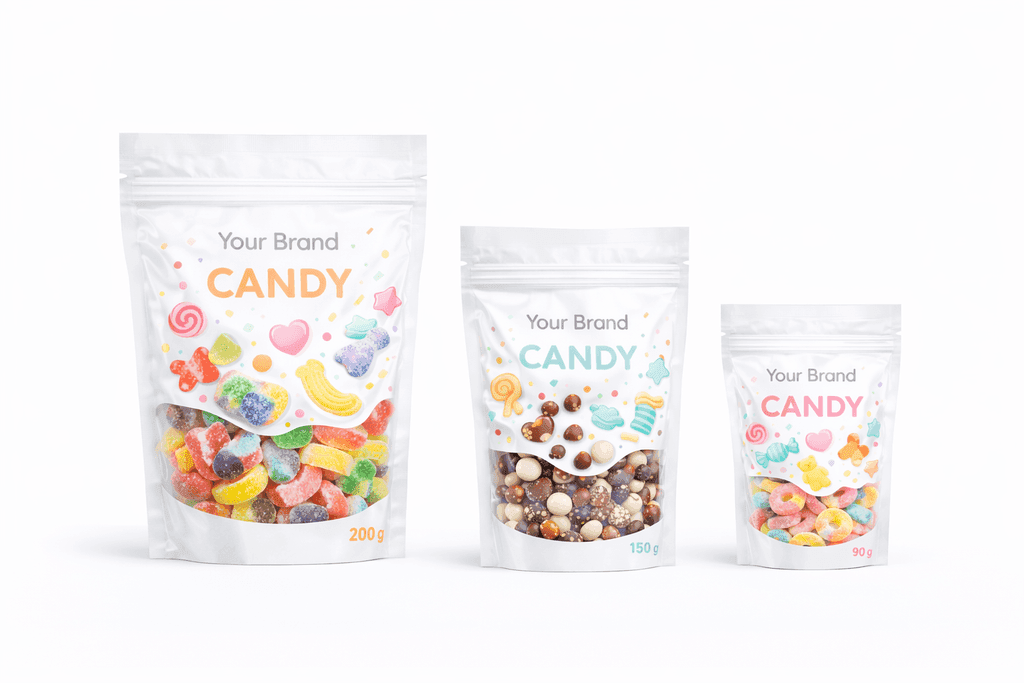
Multi-Cinema Optimization & Enterprise Strategy
For cinema chains 20+ locations, sophisticated procurement strategies unlock significant margin gains: • Volume consolidation: Centralize purchasing across all locations (vs individual theater ordering). Benefit: €0.
45-0. 55/unit vs €0.
70 single-location pricing = 20-30% cost savings. • Centralized inventory: Regional distribution centers (rather than theater-level inventor• reduce shrinkage, improve stock freshness.
- Direct factory negotiation: At 500+ tonnes/year volume, negotiate directly with Mars, Ferrero, Mondelez for exclusive items, better pricing, co-marketing support. • Private label program: Partner with supplier to develop 'Cinemark Brand' or 'AMC Exclusive' gummy/chocolate items.
Benefit: +5-10% margin premium, brand differentiation. • Data analytics: Implement POS analytics across all theaters.
Track: SKU velocity by theater, seasonal patterns, customer demographics, price elasticity. Use data for: Category management, targeted inventory allocation per theater (high-performing theaters get premium items), demand forecasting.
- Loyalty program integration: Tie candy purchases to loyalty program (e. g.
, 'Earn points on candy, redeem for movie tickets'). Benefit: Increases attachment rate, builds customer data, drives repeat visits.
- Supplier partnership: Shift from transactional to strategic vendor relationships. Supplier provides: Monthly analytics, category recommendations, competitive intelligence, co-marketing support.
Venue provides: Volume commitment, feedback, exclusive innovation partnerships.
FAQ
Frequently asked questions
Single-screen cinema: €0.65-0.85/unit. 5-10 theater multiplex: €0.55-0.70/unit. 20+ theater chain: €0.45-0.60/unit. Core items (Snickers, Twix): €0.50-0.70. Premium items: €0.65-0.90. Seasonal specialty: €0.70-0.95. Negotiation based on volume commitments and contract length is critical.
Single-screen cinema: €150-250k/year candy revenue. 8-10 screen multiplex: €400-600k/year. Larger circuits scale linearly. Depends on: Theater location (urban = higher), movie quality (blockbuster = higher), pricing ($€3.50-4.00 range typical). Candy is 35-45% of total concession revenue.
Gross margin: 68-75%. Net margin (after labor, shrinkage, storage): 40-50%. Cinema candy is the highest-margin concession category (compare to popcorn 50-60% net, beverages 55-65%). This is why chains aggressively manage candy sourcing and pricing.
Weekly or bi-weekly standing orders typical (vs monthly for other channels). High-velocity items like Snickers/Twix rotate every 2-3 weeks. This keeps stock fresh, reduces expiry risk, enables faster SKU rotation. Emergency ordering 2-3x/month for unexpected peaks.
Supply disruption during peak season (summer/holidays). Cinemas compete heavily for supplier inventory during peaks. Mitigation: Lock supplier contracts 6-12 months in advance, maintain 2-3 week safety stock, develop secondary supplier relationships. Also manage shrinkage (theft/damage 3-5%)—impacts margins significantly at scale.
Ready to get started?
Contact our team to discuss volumes, pricing, and supply structures for your market.
Related
Explore more
Wholesale
Foodservice Candy Sourcing: Complete Guide for Venue Operators & Hospitality Buyers
Wholesale
Theme Park & Attraction Candy Sourcing: Complete Operational & Sourcing Guide
Wholesale
Foodservice Candy Margin Analysis: Channel Benchmarking & Profit Optimization
Wholesale
Foodservice Candy Contracts & Negotiation: Complete Guide to Terms & Deal Structure
Bulk Supply
Bulk Candy Wholesale
Sour Candy
Sour Candy Wholesale: Why It Is the Fastest-Growing Impulse Category
Private Label
Private Label Candy: How Retailers Build Higher-Margin Confectionery Ranges