Theme Park & Attraction Candy Sourcing: Complete Operational & Sourcing Guide
Theme park and attraction candy represents a unique foodservice segment—characterized by premium positioning, seasonal volatility, family-oriented demographics, and high foot traffic environments. Global theme park industry generates €50-70B annually, with candy/sweets representing 12-18% of food/beverage revenue (€6-12B segment). For theme park operators, attractions managers, and entertainment venue buyers, candy sourcing requires strategic understanding of seasonal demand patterns, Instagram-worthy (premium-perceived) assortment curation, and volume negotiations specific to attraction environments. Theme parks benefit from 'novelty premium'—customers expect specialty, premium-positioned candy, justifying 70-75% retail margins vs retail 35-40%. This guide covers theme park-specific sourcing, seasonal planning, assortment strategy, and profitability modeling.
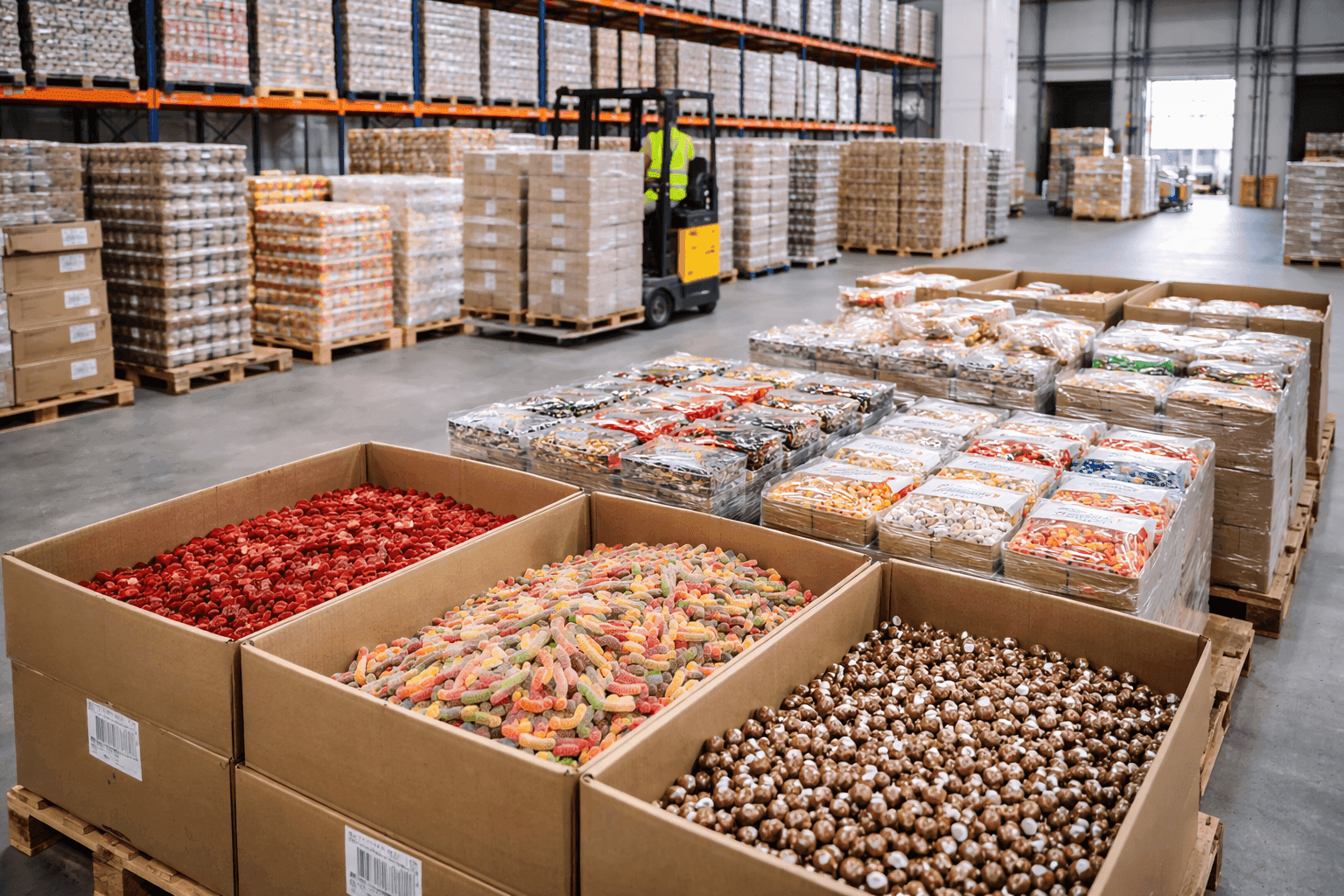
Instagram-Worthy Assortment & Family-Friendly Curation
Theme park candy success depends on curating Instagram-friendly, premium-positioned assortments: • Novelty/premium tier (40%of assortment): Shaped gummies (character-themed, seasonal), rock candy (large crystalline format, photogenic), specialty lollipops (artistic designs), artisanal gummy collections (premium brand positioning). Cost: €0.
70-1. 20/unit.
Retail: €4. 00-6.
00. Margin: 74%.
Volume: Medium (novelty purchases, not repeat). • Premium chocolate tier (30%): Artisanal dark chocolate, brand collaborations (Disney/Universal exclusive chocolate), caramel/nougat premium formats.
Cost: €0. 80-1.
30/unit. Retail: €5.
00-8. 00.
Margin: 75%. Volume: Medium-high (gift purchases, impulse).
- Sour/trending tier (20%): Sour gummies, warheads, trendy sour belts, novelty flavors. Cost: €0.
60-1. 00/unit.
Retail: €3. 50-5.
00. Margin: 72%.
Volume: High (younger demographic, repeat visits). • Interactive/experience tier (10%): Bulk/pick-and-mix formats (customers create custom assortments), candy-making demonstrations, experience-based items.
Cost: €0. 40-0.
70/unit. Retail: €0.
99-2. 99/item.
Margin: 60-65%. Volume: Very high (impulse, family-friendly).
Assortment tactic: Avoid mass-market items (Snickers, M&Ms)—these feel 'cheap' in premium theme park environment. Curate towards novelty, Instagram-able, family-friendly items.
Refresh seasonal items quarterly (spring florals, summer tropical, fall harvest, winter holiday). Partner with supplier to develop exclusive items (character-branded, venue-exclusive)—these command 10-15% price premium.
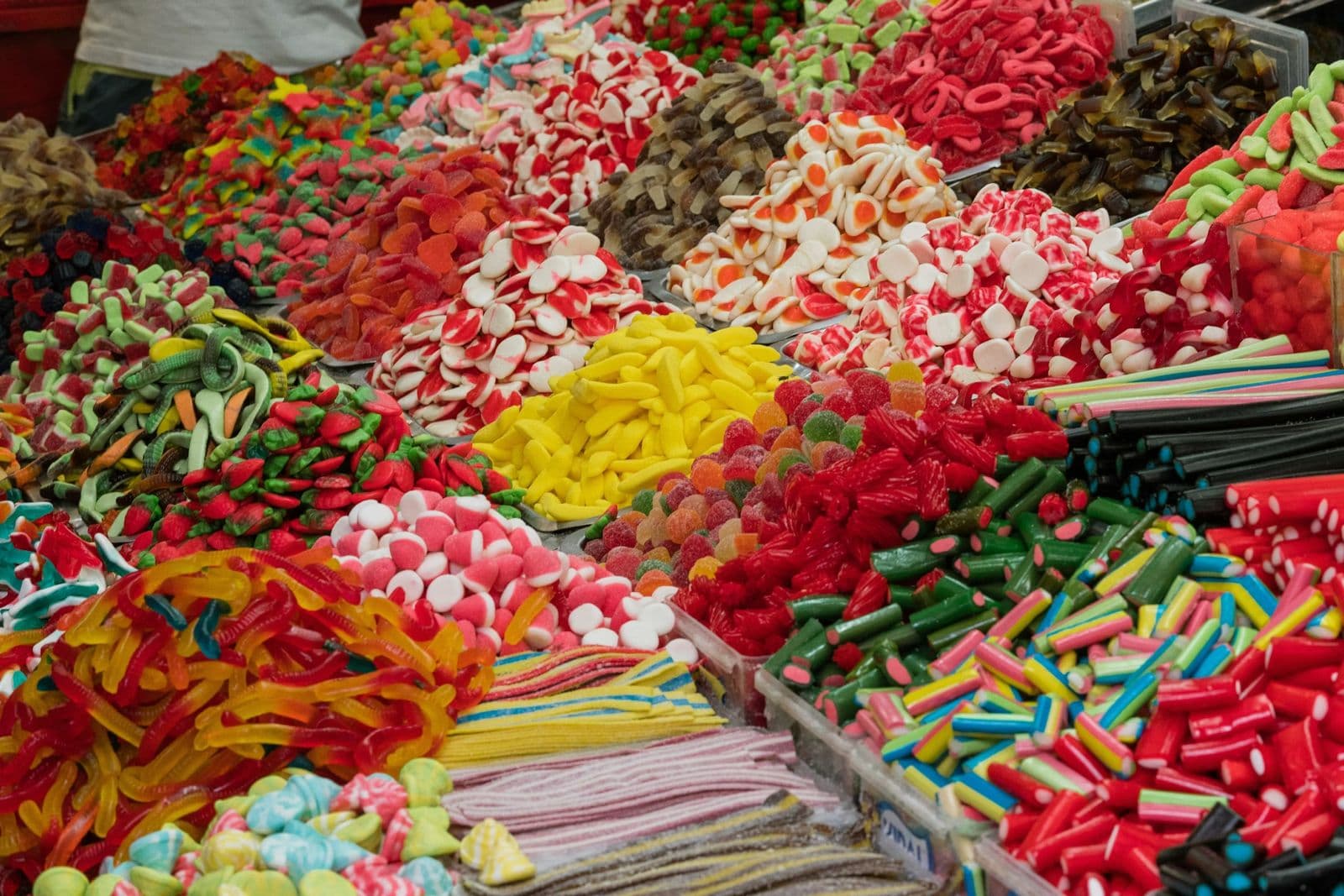
Seasonal Demand Planning & Inventory Strategy
Theme park candy is highly seasonal, requiring sophisticated demand forecasting: • Summer peak (June-August): Families on school holidays, increased attendance (+60-80% vs off-season). Candy volume: +70-100% vs baseline.
Planning: Pre-position 30-40% of annual volume May-July. Lock pricing/supply 6 months in advance (January-February for summer supply).
Seasonal items: Summer tropical, refreshing gummies, cool-down candy themes. • Spring peak (March-April): Spring break family visits, Easter holidays.
Volume: +30-40% vs baseline. Planning: Order 8-10 weeks in advance (late December-January).
Seasonal items: Easter-themed candy, pastel gummies, spring florals. • Holiday peak (Nov-Dec): Thanksgiving family visits, Christmas holidays, New Year celebrations.
Volume: +40-60% vs baseline. Planning: Order August-September (8-10 weeks advance).
Seasonal items: Holiday-themed candy, gift assortments, winter-themed gummies. • Off-season (Feb, May, Sept-Oct): School days, lower tourism.
Volume: Baseline. Monthly ordering sufficient.
- Inventory model: Annual candy consumption estimate: 10 tonnes (average theme park). Summer (40%): 4 tonnes.
Spring (10%): 1 tonne. Holiday (20%): 2 tonnes.
Off-season (30%): 3 tonnes. Pre-position inventory: May (add 2 tonnes summer supply), August (add 1.
5 tonnes holiday supply), December (post-holiday clearance). Tactic: Maintain 2-week rolling safety stock on high-velocity items; seasonal items ordered just-in-time to ensure freshness.
Supplier Selection & Contract Negotiation
Theme park candy sourcing requires suppliers capable of handling seasonal volatility and custom requests: • Supplier types: (• Large foodservice distributors (Sysco, Shamrock): Advantages—reliability, breadth, established logistics. Disadvantages—higher cost (20-25% premium), limited specialty items.
Best for: Multi-park operators, simplified procurement. (• Specialty candy wholesalers (AllCityCandy, CandyDirect): Advantages—better pricing, candy expertise, flexibility.
Disadvantages—smaller selection, longer lead times. Best for: Single/small park operators, focused assortments.
(• Direct suppliers/importers (novelty, specialty items): Advantages—exclusive items, better pricing, customization. Disadvantages—longer lead times (8-12 weeks), MOQ requirements.
Best for: Premium/seasonal items (15-25% of assortment). Strategic approach: Primary supplier (70% volume, core reliabilit• + specialty supplier (20% volume, novelty item• + direct importer (10% volume, exclusive seasonal items).
- Contract terms: 12-24 month contracts, monthly volume minimums (€2,000-8,000 depending on park size). Pricing: €0.
60-0. 90/unit blended (negotiate based on volume + seasonal commitment).
Flexibility: +/- 30% monthly variance (critical for seasonal volatility). Seasonal pricing: Lock pricing 6 months in advance for peak season (Jan/Feb for summer, Aug/Sept for holiday).
- Negotiation tactics: Share 3-year historical seasonal data with supplier. Request volume discount (larger orders = lower unit cost).
Lock FOB pricing for contract term to prevent mid-contract increases. Request co-marketing support (POS materials, samples, digital assets for seasonal promotions).
Request exclusive items (negotiate custom/branded items for competitive advantage).
Margin Analysis & Profitability Modeling
Theme park candy profitability for mid-size park (5M annual visitors, 20% candy participation): • Revenue base: 5M visitors × 20% candy purchase rate × €5. 50 avg ticket = €5.
5M annual candy revenue. • COGS: €5.
5M × 25% blended cost = €1. 375M COGS.
- Gross profit: €5. 5M - €1.
375M = €4. 125M (75% gross margin).
- Operating costs: Labor (candy staff): €400k/year. Shrinkage (3% typical): €165k.
Storage/logistics: €100k. Marketing/seasonal materials: €50k.
Total: €715k (13% of revenue). • Net profit: €4.
125M - €715k = €3. 41M (62% net margin).
- Margin opportunities: (• Negotiate supplier cost from €0. 35/unit to €0.
32/unit (volume/seasonal commitment). Savings: €165k/year.
(• Develop exclusive items (higher margin 78% vs 75%). Shift 5% of volume to exclusive items.
Uplift: €96k/year. (• Staff upselling training (+€2 avg ticket per sale).
10% uplift on candy spend: €550k additional revenue, net €400k. (• Reduce shrinkage from 3% to 2% (better inventory control).
Savings: €55k/year. (• Increase candy participation from 20% to 25% (marketing, placement optimization).
Additional revenue: €687. 5k, net margin €425k.
Total opportunity: €1. 14M/year (26% margin uplift).
Operational Excellence & Staff Engagement
Theme park candy success depends on trained, engaged staff and optimized operations: • Staff training programs: Monthly training on new items, seasonal offerings, upselling techniques. Incentive: Commission-based compensation (1-3% of net candy sales).
Result: 15-25% uplift in candy per transaction vs fixed-wage staff. • POS optimization: Streamlined checkout process (3-4 seconds per transaction).
Avoid complex pricing tiers—single/tiered (not per-ite• pricing simplifies decisions. Mobile POS for faster transactions.
- Inventory management: Daily stock checks on high-velocity items (novelty gummies, sour candy). Weekly full inventory.
Seasonal items: Monitor stock 4 weeks before end of season (clearance strategy for slow movers). • Freshness assurance: Rotate stock weekly (FIFO system).
Candy shelf-life: Most items 12-18 months if stored correctly, but theme parks expect 'fresh' positioning—actual rotation 4-8 weeks. • Sampling programs: Monthly tasting events for new/seasonal items.
Partner with supplier for free samples (builds trial, drives impulse purchase conversion 15-20%). • Visual merchandising: Use bright, seasonal theming.
Create Instagram-friendly displays (photogenic arrangements, colorful backgrounds). Encourage social sharing (#ParkCandyAdventure).
Result: Organic marketing, repeat visits from seasonal social media engagement. • Mystery shopper program: Quarterly audits of candy stands (cleanliness, staff knowledge, pricing accuracy, assortment compliance).
Corrective feedback drives accountability.
Multi-Park Optimization & Enterprise Scale
For theme park operators with 2+ parks, enterprise procurement strategies unlock significant margin gains: • Centralized buying: Consolidate candy purchasing across all parks. Benefit: €0.
55-0. 70/unit vs €0.
80-0. 90 single-park pricing = 20-30% cost reduction.
- Regional distribution: Establish regional candy distribution centers (vs park-level inventory). Benefits: Better inventory turnover, reduced shrinkage, improved freshness.
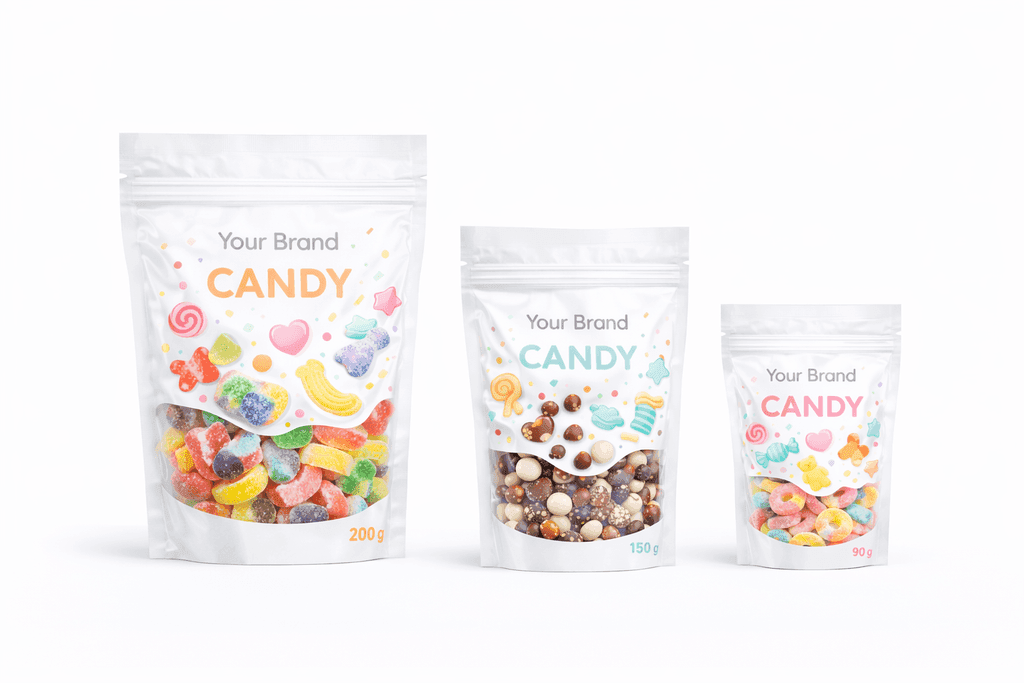
- Direct factory partnerships: At 50+ tonnes/year, negotiate directly with manufacturers for exclusive items, better pricing, custom packaging. • Private label program: Develop proprietary candy brands (e.
g. , 'Disney Magic Gummies', 'Universal VIP Sours').
Benefit: +10-15% margin premium, brand differentiation, competitive moat. • Data analytics: Implement POS systems across all parks.
Track: SKU velocity by location, seasonal patterns, demographic preferences, price elasticity. Use for: Category optimization, targeted inventory allocation (premium parks get premium items), seasonal forecasting.
- Seasonal coordination: Share peak-season demand across parks (e. g.
, if one park peaks June, another peaks August). Benefits: Smoother ordering, better supply chain efficiency, negotiating leverage.
- Supplier partnerships: Shift from transactional to strategic relationships. Supplier provides: Monthly analytics, category insights, seasonal recommendations, innovation partnerships.
Park provides: Volume commitments, exclusive market access, co-marketing opportunities.
FAQ
Frequently asked questions
Single park: €0.70-0.95/unit blended. Multi-park operator (5+ parks): €0.55-0.75/unit. Specialty/novelty items: €0.80-1.30/unit (higher margin, lower volume). Pricing depends on: Total annual volume, contract length (12-24 months), seasonal commitment, exclusivity agreements. Larger operators leverage volume for 20-30% cost advantage vs single parks.
Depends on size and visitor demographics. Small park (1M visitors/year): €500k-1M candy revenue. Mid-size (5M visitors): €3-6M. Large park (10M+ visitors): €10-15M+. Revenue is 12-18% of total food/beverage spend. Varies by: Guest demographics (families = higher candy %), location, attractions, pricing strategy.
Premium positioning (70-75% gross margin vs retail 35-45%). Family-oriented assortment (novelty, premium, Instagram-friendly). Seasonal volatility (50% of annual revenue in summer). Captive audience (guests expect premium pricing). Experiential angle (bundling, sampling, custom mixing). Higher margins justify curated, exclusive assortments vs mass-market products.
6 months in advance for peak season is ideal (lock pricing, ensure supply). May-June for summer peak (June-Aug). August-Sept for holiday peak (Nov-Dec). Spring peaks 8-10 weeks in advance (March-April). Off-season monthly orders. Advance ordering critical—all theme parks compete for limited supplier inventory during peaks; early orders secure allocation.
Supply disruption during peak season. Seasonal demand spikes (summer, holidays) strain supplier capacity. Mitigation: Place orders 6 months in advance, negotiate volume commitments early, maintain 2-3 week safety stock. Also manage shrinkage (3-5% theft/damage in high-traffic environment)—implement inventory controls, staff accountability, secure storage.
Ready to get started?
Contact our team to discuss volumes, pricing, and supply structures for your market.
Related
Explore more
Wholesale
Foodservice Candy Sourcing: Complete Guide for Venue Operators & Hospitality Buyers
Wholesale
Cinema Concession Candy Wholesale: Complete Sourcing & Profitability Guide
Wholesale
Cruise Ship Bulk Candy Supply: Complete Sourcing & Compliance Guide
Wholesale
Foodservice Candy Margin Analysis: Channel Benchmarking & Profit Optimization
Bulk Supply
Bulk Candy Wholesale
Private Label
Private Label Candy: How Retailers Build Higher-Margin Confectionery Ranges
Specialty
Novelty & Specialty Candy Wholesale: Premium Format Strategy
Sour Candy
Sour Candy Wholesale: Why It Is the Fastest-Growing Impulse Category