How to Start a Private Label Candy Brand: The Complete 8-Step Startup Guide
Starting your own private label candy brand is far more achievable than most entrepreneurs believe. You don't need a factory, significant capital, or manufacturing expertise. What you need is a clear market positioning, a reliable manufacturing partner, and a go-to-market strategy. The global private label confectionery market is worth $15.2 billion and growing at 6.8% CAGR. This guide walks you through every step—from market validation to first container shipment—so you can launch a branded confectionery business without the overhead of traditional manufacturing.
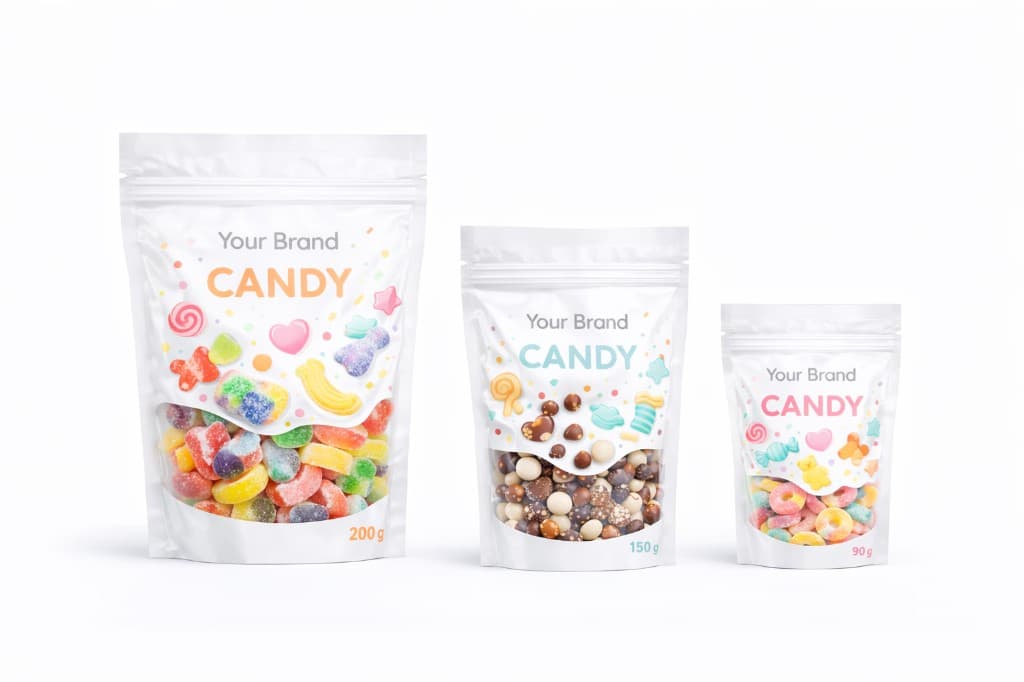
Step 1: Define Your Niche & Market Position
The candy market is saturated with generic brands. Your first task is not to manufacture—it's to identify a specific market niche where you can win. Strong niche positions include: - **Organic/Natural Candy:** Premium positioning, 20–30% price premium possible, targets health-conscious consumers - **Vegan & Allergen-Free:** Growing segment, particularly strong in USA/UK/Scandinavia - **Functional Gummies:** Energy, immunity, sleep, collagen—high growth category (7.74% CAGR) - **Nostalgic/Regional Formats:** European candy for North American market, etc. - **Sustainability-Focused:** Eco-packaging, plastic-free, carbon-neutral shipping - **Themed Collections:** Seasonal, character-licensed, subscription formats - **Premium/Artisanal:** Handmade, small-batch positioning for gift/specialty retail Do not attempt to compete on price with established brands in commodity categories. Compete on positioning. **Action item:** Spend 2 weeks researching. Identify 2–3 specific niches where you see unmet market demand. Talk to 10–15 potential customers (retail buyers, online shoppers, corporate buyers) in each niche. Which niche gets the most enthusiastic response?
Step 2: Validate Demand & Define Your MVP Product Line
Before investing in tooling or large production runs, validate that real customers will buy from you. **Demand validation methods:** - **Social Media Testing:** Create Instagram/TikTok content around your candy concept. Run $500–1,000 in targeted ads to your target audience. Do people engage and ask where they can buy? - **Email List Building:** Launch a landing page with email signup. How many people opt in? 500+ signups = strong signal. - **Pre-Sales:** Contact 20–30 potential buyers (specialty retailers, gift shops, online resellers) and ask if they'd stock your product. Take 2–3 pre-orders. - **Online Communities:** Join Reddit, Facebook groups, Discord servers relevant to your niche. Pitch your concept organically. What's the feedback? **Define your MVP (Minimum Viable Product) line:** Don't launch with 10 SKUs. Start with 2–3 core formats that represent your brand clearly. For example: - Organic sour belts + organic jelly bears + organic mixed bag - Energy gummies in 3 flavours + vegan gummy bears + workout recovery blend - Nostalgic European candy collection (3 assortments) Your MVP should be manufacturable at reasonable MOQ (500kg–1 tonne per SKU) and achievable within 8–12 weeks. **Action item:** By the end of this step, you should have 50+ email signups, 3–5 letters of intent from potential retail buyers, and solid conviction around 2–3 core SKUs.
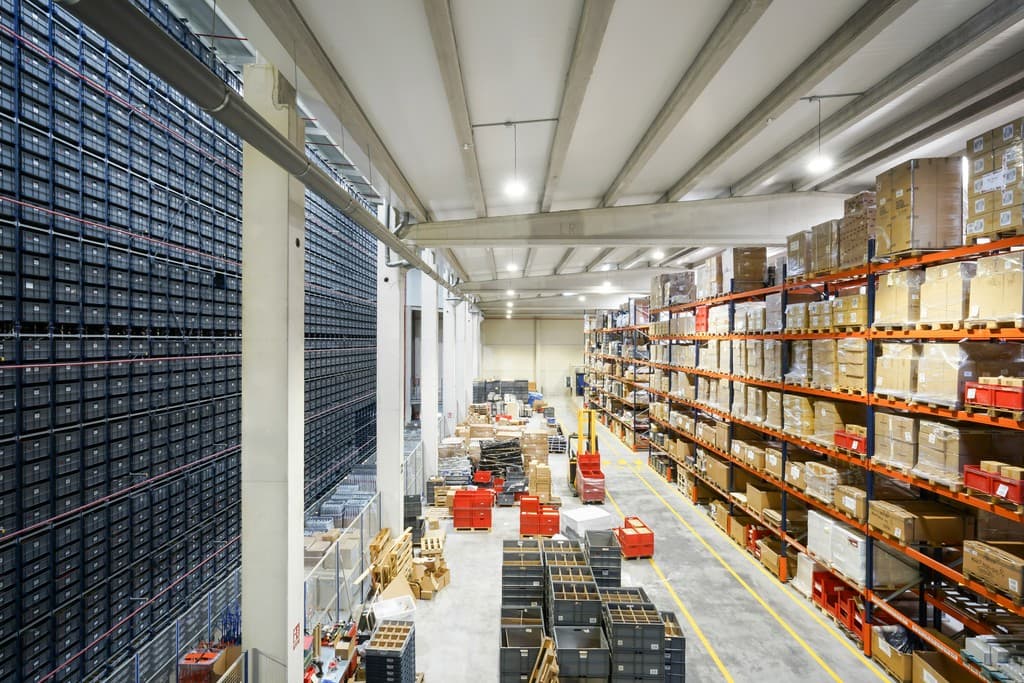
Step 3: Find the Right Manufacturing Partner
This is the most critical decision you'll make. Your manufacturer needs to offer: **Essential Requirements:** - Low MOQs (500kg–2 tonnes per SKU for startups) - Private label capability (your brand on packaging, not theirs) - Food safety certifications (BRCGS, IFS, FDA compliance as appropriate for your market) - Flexible formats (don't force you into their standard assortment) - Pre-production sampling (so you approve the product before manufacturing) - Clear communication and realistic lead times (typically 4–8 weeks) **Where to find manufacturers:** - **Candora Trading:** Specialises in private label programmes for startups and scaling brands. MOQs start at 500kg per SKU. - **Alibaba & Global Sources:** Hundreds of manufacturers, but quality control varies significantly. Requires more due diligence. - **Industry Directories:** TradeKey, EC21, Kompass for EU manufacturers with better margin economics - **Local/Regional Producers:** Often more flexible on MOQ and lead time for English-language markets **Vetting a manufacturer:** 1. Request samples of their existing work (private label products they've produced) 2. Check certifications independently 3. Communicate in writing (email, not calls) so you have a paper trail 4. Ask for 3 references from other private label brands 5. Do a small test order (500–1,000kg) before committing to larger volumes Budget for this process: 2–4 weeks, €500–2,000 in sample fees. **Action item:** By end of this step, you should have 3 qualified manufacturers shortlisted, sample products approved from your top 1–2 choices, and a manufacturing quote for your MVP line.
Step 4: Build Your Brand Identity
Your brand is how customers distinguish you from every other candy on the shelf. It includes: **Brand Name:** Unique, memorable, searchable, available as domain - Avoid generic descriptors ("Pure Candy Co", "Natural Sweets") - Aim for short, pronounceable names that work across multiple languages if selling internationally - Check trademark availability before committing **Visual Identity:** Logo, color palette, typography - Invest €500–2,000 in a designer via Fiverr, 99designs, or local designer - Ensure the design works at small scale (packaging label) and large scale (retail display) - Make sure colors are distinctive and memorable **Packaging Design:** This is your primary marketing tool at retail - Include: Brand name/logo, product description, ingredient list, allergen warnings, nutritional info (required by law), barcode space - Consider: Is the packaging sustainable? Memorable? Instagrammable? On-brand? - Budget: €1,500–4,000 for professional packaging design + artwork setup **Brand Story:** Why does your candy exist? - "I wanted organic candy that tasted great, not just healthy" - "European candy is better than American commodity candy—I'm importing that experience" - "Functional gummies that actually work, not just marketing" - Your story should be 1–2 sentences, authentic, and differentiating **Action item:** Brand name registered, logo and packaging design approved, brand story defined, and packaged samples in hand.
Step 5: Handle Legal & Regulatory Requirements
Before you sell a single unit, you need to be legally compliant. The good news: it's straightforward, just bureaucratic. **In the USA:** - File an LLC with your state's Secretary of State (€50–200) - Get an Employer Identification Number (EIN) from the IRS (free) - Register with your state's food authority (varies by state; typically €100–500) - Ensure your manufacturer has FDA compliance for food manufacturing - Labelling must include ingredient list, allergens, nutritional info per FDA requirements **In the UK/EU:** - Register as a food business operator with your local environmental health department (free) - Ensure your manufacturer complies with EU food safety regulations (EC 1169/2011) - Use a responsible person in the EU if your business is outside the EU (often your manufacturer can serve this role) - Labelling must comply with EU food labelling standards **Internationally:** - Each market has specific import regulations and labelling requirements - Your manufacturer should be familiar with exporting to your target market - Budget €1,000–3,000 for customs documentation, testing, and certifications **Insurance:** - Product liability insurance: €500–2,000/year (required for retail placements) - Check with your manufacturer—they often carry the primary insurance **Contracts:** - Manufacturing agreement specifying price, MOQ, lead time, quality standards, IP ownership - Distribution agreement (if using distributors) specifying territory, exclusivity, pricing **Action item:** Business entity registered, EIN/tax ID obtained, product liability insurance in place, manufacturing and distribution contracts signed.
Step 6: Establish Your Go-To-Market Channel
Where will your candy actually sell? Most successful startup candy brands use multiple channels simultaneously: **Direct-to-Consumer (DTC) Online:** - **Pros:** Highest margins (60–75%), direct customer feedback, brand control - **Cons:** Logistics expensive, customer acquisition expensive, fulfillment overhead - **Platform:** Shopify, WooCommerce, or marketplace (Amazon, Etsy) - **Initial investment:** €1,000–3,000 (site + initial inventory) **Retail Distribution (Specialty Stores, Gift Shops, Online Retailers):** - **Pros:** Exposure to thousands of customers, validates demand, wholesale volume - **Cons:** Lower margins (40–50%), shelf competition, distributor markups - **How to get placement:** Email/call 50+ specialty retailers in your niche. Offer samples. Take meetings. - **Initial investment:** Sample/promotional inventory (€2,000–5,000) **B2B (Corporate Gifting, Event Planners, Hospitality):** - **Pros:** Larger orders, recurring customers, premium pricing (50–60% margins) - **Cons:** Longer sales cycles, customization often required - **How to get B2B clients:** LinkedIn outreach to event planners, corporate gift managers, hotel concierge services - **Initial investment:** Sampling and pitch decks (€1,000–2,000) **Subscription/Marketplace (Amazon, Faire, Etsy, subscription box platforms):** - **Pros:** Access to millions of customers, platform handles fulfillment/payment - **Cons:** Platform takes 15–30% commission, requires consistent inventory - **Initial investment:** €500 per platform + inventory (€2,000–5,000 initial) **Most successful startup strategy:** Combine DTC + specialty retail (to build brand) + B2B (for volume and cash flow). Do not put all eggs in one basket. **Action item:** Website/online store live, 5+ retail partnerships lined up, B2B outreach underway.
Step 7: Launch & Measure (The First Container)
You've validated, designed, legally registered, and sourced. Now you manufacture and sell. **Timeline for first production run (typically 6–10 weeks):** - Week 1–2: Confirm final artwork, nutritional info, production specs - Week 3–8: Manufacturing production (4–6 weeks typical) - Week 9: Quality control, packaging, labelling - Week 10: Shipping/logistics **First order size:** For most startups, 1–2 pallets (500–2,000kg across SKUs) is ideal. This is enough to test retail placements, online sales, and B2B channels without overcommitting inventory. **Cost breakdown for €50,000 first order (typical):** - Manufacturing: €18,000–22,000 (COGS) - Packaging/labelling: €5,000–8,000 - Freight (factory to warehouse): €3,000–5,000 - Customs/documentation: €1,000–2,000 - Product liability insurance: €500–1,000 - Contingency: €10,000 **Measurement framework:** - **Unit sales by channel:** What's your DTC conversion rate? Retail attachment rate? B2B average order size? - **Customer acquisition cost (CAC):** How much are you spending to acquire each customer? - **Gross margin by channel:** DTC, retail, B2B—which channel is most profitable? - **Repeat purchase rate:** Are customers buying again? - **Feedback:** What do customers love? What would they change? **Action item:** First container ordered, products received and distributed, sales tracking and measurement systems in place.
Step 8: Scale & Optimise Based on Data
Your first container is a test. The goal is to learn what works, optimize, and scale. **After 3–6 months of sales, you'll have real data:** - Which SKUs sell fastest? - Which channels generate best unit economics? - What price point optimizes profitability? - Are customers repeat buying? - What feedback are you getting from retail partners? **Scale decisions (based on data):** **If DTC is working:** Increase ad spend, expand into paid social (TikTok, Instagram), build email list, launch product bundles. **If retail is working:** Pitch more stores, hire a sales rep to manage accounts, expand geographic footprint, add complementary SKUs. **If B2B is working:** Hire a B2B sales rep, build custom packaging/branding options, develop corporate gifting programs. **SKU strategy:** Add 1–2 new SKUs per quarter based on demand signals, not assumptions. **Financing next growth:** Use gross profits from first container to fund second container. If you hit €150,000+ annual revenue, consider small business loans or equity investment to accelerate scaling. **Timeline to scale:** Most successful private label candy brands take 12–18 months to reach €300,000–€500,000 annual revenue, then 2–3 years to reach €1M+. **Action item:** Quarterly review meetings with your team/advisor, data-driven decisions on which channels/SKUs to expand, second and third production runs planned based on actual sales.
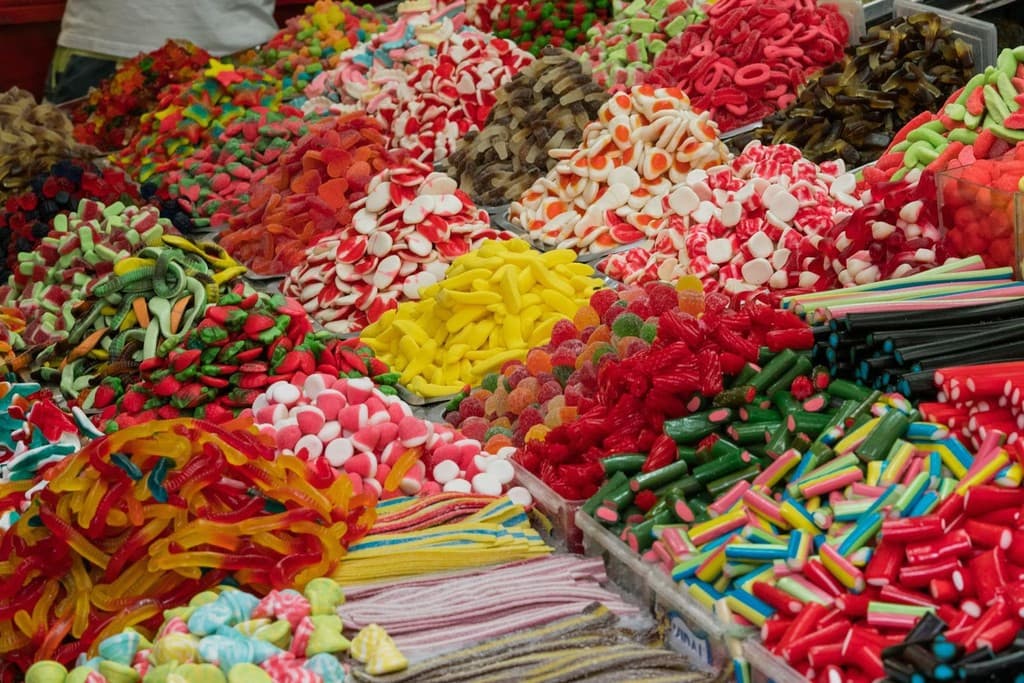
Real Numbers: What Does This Actually Cost?
**Total startup investment: €15,000–€40,000** **Breakdown:** - Legal/registration: €500–1,000 - Brand identity (logo, design): €1,000–2,000 - Packaging design & setup: €2,000–4,000 - Website/online store: €1,000–2,000 - First product samples & manufacturer vetting: €1,000–2,000 - First production run (500–2,000kg): €25,000–35,000 (including COGS, freight, customs) - Insurance, miscellaneous: €2,000–4,000 **Revenue expectations (Year 1):** - Conservative (1–2 placements, modest online): €50,000–€100,000 - Moderate (5–10 placements, active online): €150,000–€300,000 - Aggressive (20+ placements, strong online): €300,000–€500,000 **Gross profit (Year 1):** 50–60% of revenue (depends on channel mix) **Break-even:** Most private label candy brands break even within 6–12 months if they execute well.
FAQ
Frequently asked questions
No. Private label manufacturing means you work with an existing manufacturer who produces candy under your brand. You focus on positioning, marketing, and sales. The manufacturer handles production. This is the entire point of private label—low capital, low risk.
It depends on your manufacturer. Candora Trading works with startups at 500kg–1 tonne per SKU minimums. Larger manufacturers typically require 5–10 tonnes. Smaller artisanal producers might go lower. MOQ is negotiable based on volume and commitment.
About 4–6 months if you execute quickly: 2–4 weeks finding manufacturer, 4–8 weeks manufacturing, 2–4 weeks launching sales. Most startups spend 6–12 months because they iterate on product or packaging.
€50,000–€300,000 depending on channels and execution. Aggressive DTC + retail distribution can hit €300,000+. Conservative single-channel brands might do €50,000–€100,000. The average is probably €150,000.
Launching with too many SKUs, unclear positioning, or insufficient market validation. Start niche, start small, test channels, then expand. The most successful brands nail one position and one channel before expanding.
Yes, this is private label. You import finished product, relabel under your brand, and sell. This requires managing import regulations, customs, and compliance. It's viable but requires more logistics overhead than manufacturing partnerships.
Ready to get started?
Contact our team to discuss volumes, pricing, and supply structures for your market.
Related
Explore more
Private Label
Private Label Candy: How Retailers Build Higher-Margin Confectionery Ranges
Confectionery
Confectionery Private Label: The Complete Guide for Retail Buyers
Private Label
Private Label Sour Candy: Capture the Fastest-Growing Confectionery Segment
Confectionery
Candy Distributor Wholesale: A Global Sourcing Guide
Bulk Supply
Bulk Candy Wholesale